


Brazil voted for a rally. The market bets that Lula will be out in 3 weeks
On Monday, October 5, the Brazilian Ibovespa index gained +7.7% in a single day. For the first time in history, it closed above 200,000 points (206,912). The real strengthened by 4% to 5.00 per dollar. The US ETF on Brazil $EWZ added +12.6%, Petrobras ADR +11.6%, and Itaú ADR +15.4%.
You don't see such moves every day in an emerging market. The trigger was the first round of presidential elections.
What happened on Sunday
- Flávio Bolsonaro (right-wing, son of former president Jair Bolsonaro): 47.0%
- Lula da Silva (left-wing, current president): 45.2%
- The second round will be on October 25.
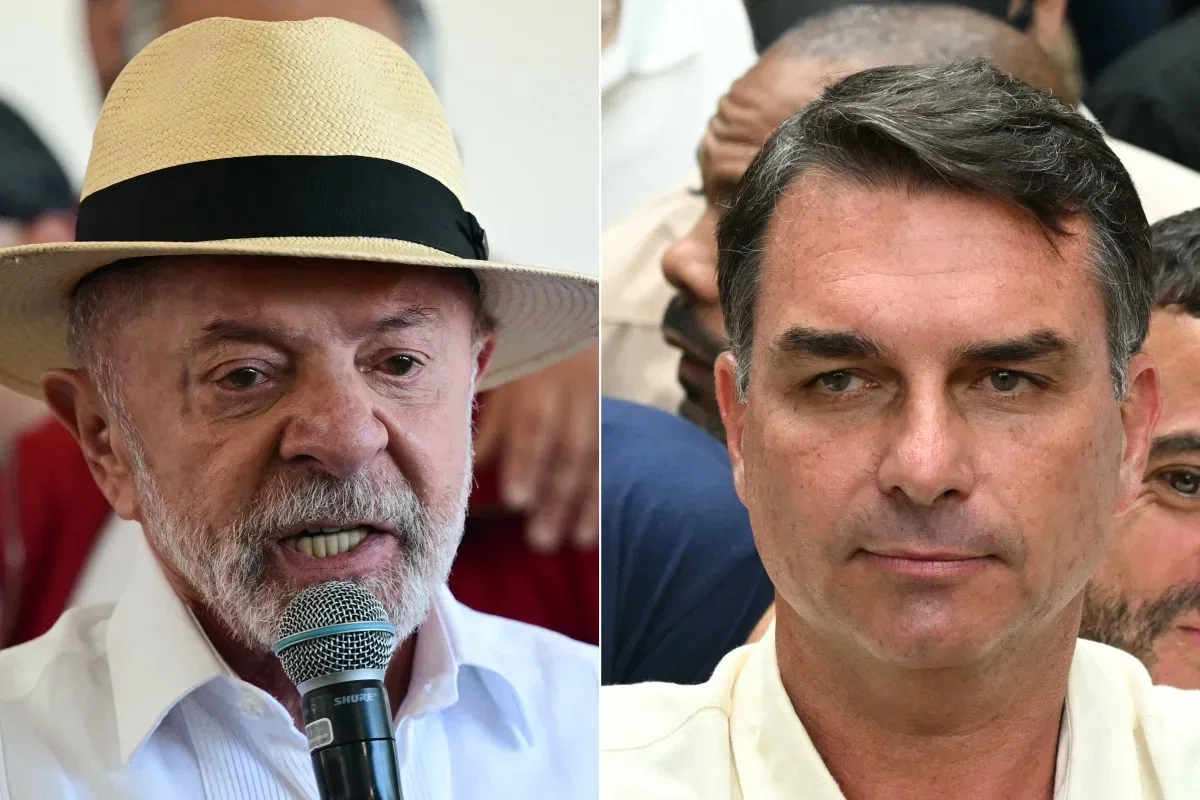
Left: Lula da Silva / Right: Flávio Bolsonaro
The market was mainly surprised because polls expected the opposite. The latest polls gave Lula 45% and Flávio 42%. Bolsonaro beat the polls, and betting markets (such as Polymarket, Kalshi) now give him roughly an 84% chance of winning the second round. His Liberal Party also gained a strong position in Congress, so he could actually push his agenda through.
Why the market loves it so much
The market doesn't love Bolsonaro. The market loves the idea that Lula's fiscal policy will end. It's all about the risk premium:
- Debt and budget: Brazil's public debt is above 75% of GDP and Lula loosened spending in an election year. Investors demand a premium for that, i.e., higher interest rates and cheaper stocks.
- Rates: The base interest rate is around 14% and the real rate (after subtracting inflation) is roughly 9.5%, one of the highest in the world. When the market believes the government will start cutting spending, it expects faster rate cuts.
- State-owned companies: Petrobras rose 11%, even though oil prices fell that day. The market is no longer pricing in a discount for political interference in fuel prices and dividends.
What Flávio specifically promises:
- A new fiscal rule tied to the debt-to-GDP ratio instead of the current framework
- Slimming the state: from 39 ministries to about 23 and cuts in government positions
- Privatization and revision of more than 1,000 regulations
- Abolishing the 12% export tax on oil introduced by Lula
- The economic team is led by Adolfo Sachsida and Daniella Marques, people from the era of Paulo Guedes, who was a market-friendly finance minister under Jair Bolsonaro.
But watch out for one thing: the concrete fiscal plan is not yet clear. The market is currently buying mainly the narrative, not the actual program.
Last October we saw a similar scenario in Argentina, where after Milei's victory in the midterm elections, stocks soared in a single day.
The principle is always the same. In emerging markets, stock prices are often driven not by corporate earnings but by the price of political risk. When risk falls, everything gets repriced at once: the currency, bonds, banks, and state-owned companies.