


Why the AI boom can crush profits at stocks that have nothing to do with AI

The 30-year U.S. Treasury yield is the highest since 2002 and equities barely reacted. The market has paid only the first bill. The second one is coming for companies that never even mentioned AI - and the billing starts as early as 2027.
Key points
The 30-year U.S. Treasury yield climbed to 5.61%, the highest since 2002, and equity indices barely moved.
Higher yields send companies two different bills, and the market has paid only one of them so far.
Between 2027 and 2031, $4.3 trillion of corporate bonds mature, most of which carry interest below 4%.
Fed Chair Kevin Warsh named among the reasons for rising yields one that almost never appears in rate headlines.
Three figures from the annual report reveal a company whose profit will fall without a single weaker sale.
Two bills for one record
On Tuesday, September 29, the 30-year U.S. Treasury yield climbed as high as 5.61%, the highest since June 2002. The 10-year yield touched 5.28%, and the 2-year held near 4.93%. Anyone expecting a sell-off was disappointed: the S&P 500 closed 0.16% lower at 7,670.84 points, the Dow lost 0.26%, and the Nasdaq just 0.09%.
Why such a calm reaction to a 24-year high? Because the market can immediately price in only one of the two things higher yields do to stocks. The first is the discount rate: when a risk-free investment yields over 5%, future corporate profits are worth less today. The market has been paying this tax all year, and it is largely priced in.
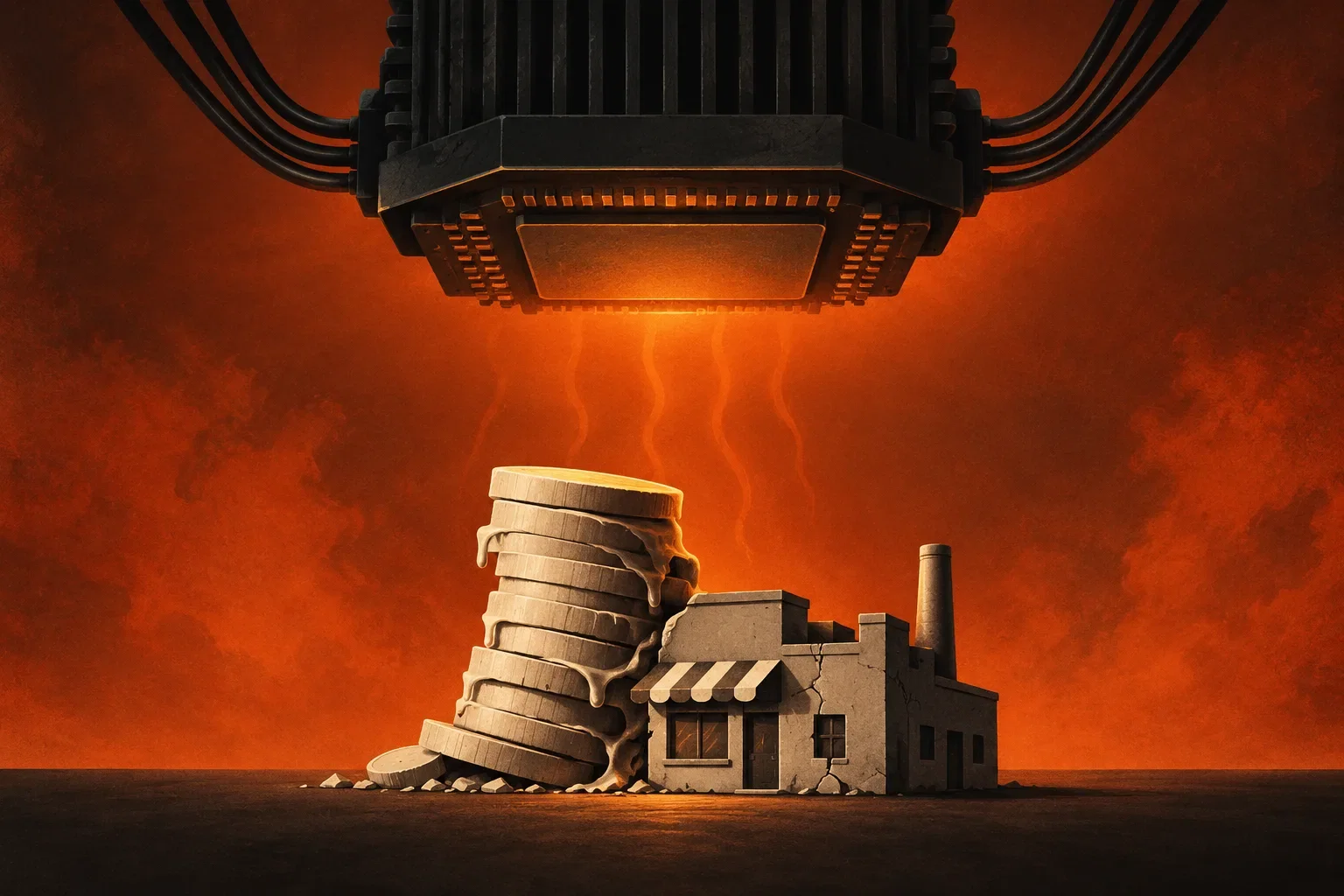
The second bill is different. It is the actual dollars companies will pay in extra interest when they replace their old cheap debt with new expensive debt. It does not filter into income statements based on market mood, but on the maturity calendar. It is like a five-year fixed-rate mortgage: market rates can jump today, but your payment does not change until the fix ends. Only then do you find out how much it will cost you.